The Rise of Direct Selling Hybrid Participation Models | For decades, brands across eCommerce and digital retail have used affiliate programs to expand reach, drive customer acquisition, and reward product advocacy. In today’s direct selling landscape, companies are increasingly exploring more flexible participation models that align more closely with how modern consumers and sellers want to engage, with affiliate marketing becoming one of the clearest examples of that shift.
As social commerce continues to grow and customer behavior evolves, direct selling companies are rethinking how people participate with their brands. Simplicity, accessibility, and lower-commitment participation models have become increasingly important, particularly for audiences looking for more adaptable ways to share products and earn income.
Why Flexible Participation Is Resonating Right Now
Today’s marketplace looks very different than it did even a few years ago. Consumers increasingly discover products through creators, livestreams, short-form video, online communities, and peer recommendations. Social commerce has transformed purchasing behavior, making personal recommendations more immediate, content-driven, and digital-first.
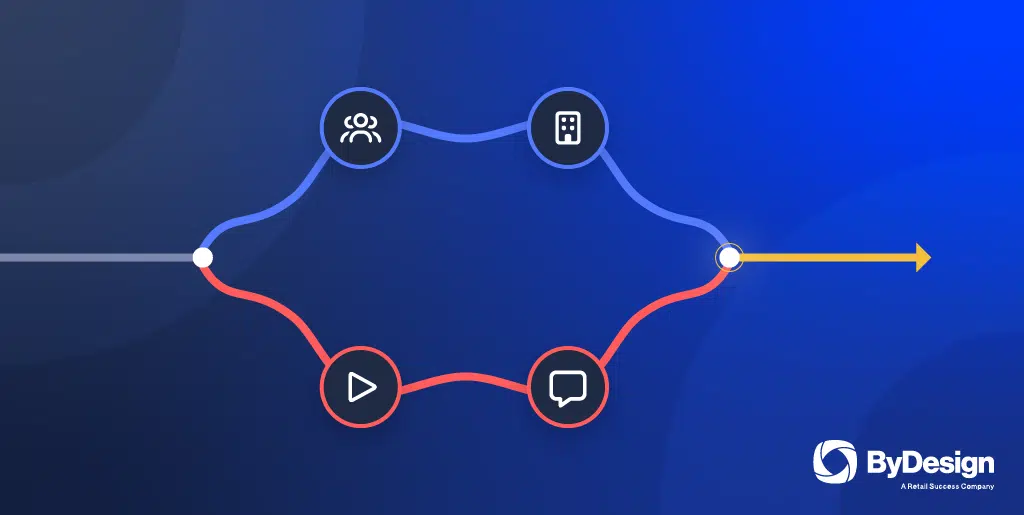
At the same time, many people are looking for income opportunities that fit naturally into their existing online activity. Affiliate-style participation models are gaining momentum because they allow individuals to promote products, share referral links, create content, or recommend brands without necessarily committing to building a traditional business structure.
For companies, that accessibility can create meaningful advantages:
- Lower barriers to entry
- Faster onboarding
- Expanded customer acquisition channels
- Greater accessibility for creators and influencers
- Additional ways for customers to engage with the brand
In many ways, affiliate programs meet modern consumers where they already are.
The Rise of Flexible Participation
One of the biggest shifts happening today, across industries, work, and consumer behavior alike, is the growing demand for flexibility.
For direct selling companies, that shift means recognizing that not everyone who loves a product wants to build a team or operate a long-term business. Some simply want to share products they enjoy, monetize their audience, or earn supplemental income through referrals and recommendations.
The reality is that participation is no longer one-size-fits-all. There is growing recognition that participation models need to better align with different goals, lifestyles, and levels of commitment. For many companies, this is leading to the rise of more hybrid participation models that blend traditional direct selling with affiliate-style engagement.
The Influence of Social Commerce
The growth of hybrid participation within direct selling is also closely tied to the rise of social commerce.
Selling behavior today is heavily influenced by content. Recommendations happen through Instagram Stories, TikTok videos, Facebook Lives, YouTube product reviews, private online communities, and creator-driven audiences. In many cases, consumers are purchasing products because they trust the person sharing them, not because they were approached through traditional sales methods.
For creators and influencers, affiliate programs often feel intuitive. The model mirrors how many people already promote products online today: share a product, recommend it authentically, and earn a commission when someone purchases.
For direct selling companies, this creates an opportunity to expand reach beyond traditional recruitment channels while still benefiting from relationship-driven product promotion.
Why Companies Are Revisiting Affiliate Models
As competition for customer attention continues to increase, companies are under pressure to simplify engagement and reduce friction wherever possible.
Compared to more traditional onboarding experiences, affiliate participation is often faster and easier to understand. That accessibility can open the door to audiences who may have been hesitant to engage with a direct selling opportunity in the past.
It also creates additional customer acquisition pathways at a time when brands are competing across increasingly crowded digital channels.
Many companies are finding that affiliate programs can:
- Introduce new customers to the brand
- Expand social reach organically
- Encourage product advocacy
- Increase visibility across creator communities
- Support customer-first growth strategies
Expanding How People Engage
For some direct selling companies, affiliate marketing is less about changing the foundation of the business and more about expanding the ways people can engage with the brand.
As the channel continues to evolve, companies are placing greater focus on creating participation models that feel more approachable and aligned with modern consumer behavior. In an environment where people are more selective about the opportunities they associate with and more cautious about long-term commitments, accessibility and simplicity matter.
Some may want to build a business over time, while others simply want to share products they enjoy and earn through referrals. For some, affiliate participation may be the right fit long term, while for others, it can serve as a more natural path into deeper involvement with a company.
In many cases, companies are not replacing traditional direct selling structures, but evolving toward more hybrid approaches that support different types of participation.
Technology Making Expansion Easier
Today’s platforms make it easier to manage referral tracking, commission payouts, social selling tools, creator engagement, customer attribution, and performance reporting at scale. Companies also have more flexibility in how they reward participation, including both traditional commission structures and non-monetary incentives designed to encourage customer referrals and brand advocacy.
Modern software ecosystems also make it possible to support multiple participation models simultaneously. This allows companies to launch and manage affiliate programs with greater visibility and operational efficiency while creating more connected experiences between customers, affiliates, and traditional distributors.
The Bigger Opportunity
Affiliate marketing is gaining momentum not because the concept is new, but because it reflects how brands and consumers increasingly interact today.
As direct selling companies continue adapting to changing customer behavior and digital engagement trends, hybrid participation models, including affiliate programs offer another way to expand reach, simplify participation, and connect with broader audiences.
The companies that stand out moving forward will likely be the ones that create approachable, modern pathways into their brands while continuing to support authentic product advocacy and community-driven growth.
At ByDesign, we help direct selling companies support modern hybrid participation models through flexible software designed for affiliate-style engagement, customer referrals, social selling, and traditional distributor growth. To learn how ByDesign helps companies create more connected and adaptable participation experiences, visit ByDesign.com or contact us to schedule a direct selling software demo.
Contact Us
Learn how the Freedom mlm software can help take your direct selling company to the next level.